
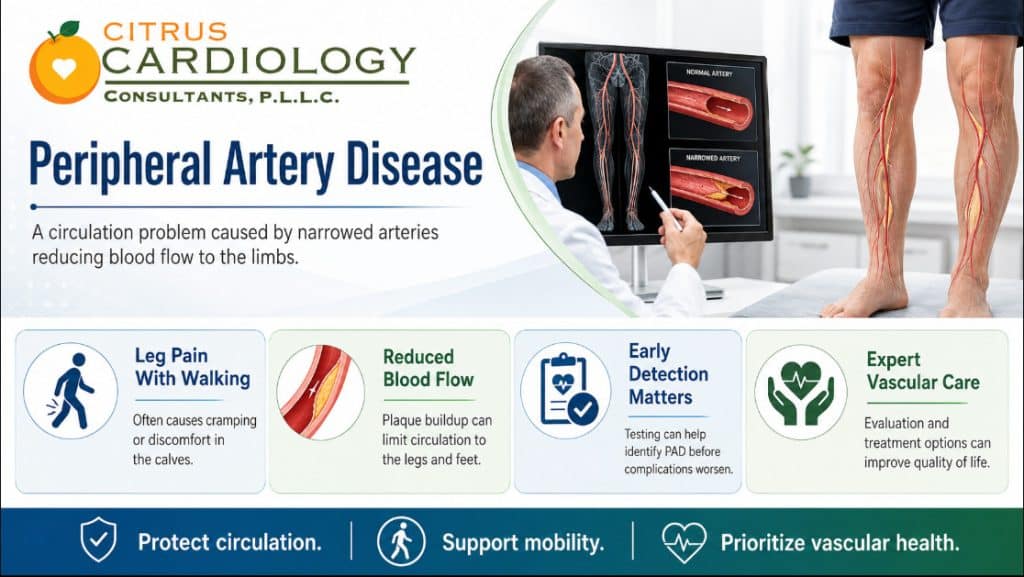
Peripheral Artery Disease (PAD) is a common circulation problem characterized by the narrowing of blood vessels outside the heart and brain, primarily due to fatty deposits (atherosclerosis). This restriction limits blood flow to the arms, legs, and other organs, leading to various symptoms and potential complications. PAD is typically diagnosed through a simple Ankle-Brachial Index (ABI) test.
PAD affects an estimated 27 million people in Europe and North America, with a significant portion (60%) experiencing no initial symptoms. Despite being asymptomatic, individuals with PAD face an increased risk of serious cardiovascular events like heart attack and stroke. Early detection and management are vital to mitigate these risks and prevent severe outcomes such as limb amputations.
What are the common symptoms of Peripheral Artery Disease?
The most common symptom of Peripheral Artery Disease (PAD) is painful cramping in the hip, thigh, or calf muscles during activity, known as intermittent claudication. However, many individuals with PAD may not experience any symptoms, making regular screenings important for at-risk groups.
Other key PAD symptoms include leg numbness or weakness, coldness in one lower leg or foot, and sores on the toes, feet, or legs that are slow to heal. You might also notice changes in leg color, hair loss or slower hair growth on the feet and legs, slower growth of toenails, shiny skin on the legs, or a weak/absent pulse in the legs and feet. Men may also experience erectile dysfunction.
What are the primary causes and risk factors for PAD?
The primary cause of Peripheral Artery Disease (PAD) is atherosclerosis, the accumulation of fatty deposits that narrow and stiffen arteries. This process restricts blood flow, particularly to the limbs. Several factors significantly increase an individual’s risk of developing PAD.
Key PAD risk factors include:
- Smoking: A major contributor to arterial damage.
- Diabetes: High blood sugar levels can damage blood vessels.
- Obesity: A body mass index (BMI) over 30.
- High blood pressure: Readings of 140/90 mmHg or higher.
- High cholesterol: Total blood cholesterol over 240 mg/dL.
- Increasing age: Especially after 50 years of age.
- Family history: A history of peripheral artery disease, heart disease, or stroke.
- Excess homocysteine levels: An amino acid linked to heart disease.
How is Peripheral Artery Disease diagnosed and treated?
Peripheral Artery Disease (PAD) is diagnosed using a simple, non-invasive test called the Ankle-Brachial Index (ABI). This test compares blood pressure in the ankle to blood pressure in the arm to assess blood flow efficiency in the legs, providing a clear indication of narrowed arteries.
Once diagnosed, peripheral artery disease treatment focuses on managing symptoms, slowing disease progression, and reducing the risk of complications like heart attack and stroke. Treatment often involves lifestyle modifications such as quitting smoking, regular exercise, and dietary changes. Medications may be prescribed to control blood pressure, cholesterol, and blood sugar, or to prevent blood clots. In more severe cases of clogged leg arteries, procedures like angioplasty or bypass surgery may be necessary to restore adequate blood flow.
Frequently Asked Questions
Can PAD lead to serious health complications?
Yes, untreated PAD significantly increases the risk of heart attack, stroke, limb amputations, and in severe cases, can be fatal. Early diagnosis and management are crucial to prevent these serious outcomes.
What is intermittent claudication?
Intermittent claudication is a classic symptom of PAD, characterized by painful cramping in the hip, thigh, or calf muscles that occurs during activity, such as walking or climbing stairs, and typically subsides with rest.
Are there any visible signs of PAD on the legs or feet?
Yes, visible signs can include sores on toes, feet, or legs that don’t heal, coldness in one leg, changes in leg color, hair loss or slower hair growth on legs, shiny skin, and slower toenail growth.
Is PAD preventable?
While some risk factors like age and family history are unchangeable, many PAD risk factors are modifiable. Managing blood pressure, cholesterol, diabetes, maintaining a healthy weight, and quitting smoking can significantly reduce your risk.
What is the Ankle-Brachial Index (ABI) test?
The Ankle-Brachial Index (ABI) is a non-invasive diagnostic test for PAD. It compares the blood pressure in your ankle to the blood pressure in your arm to assess blood flow efficiency in your lower limbs.
If you experience symptoms of peripheral artery disease or have multiple PAD risk factors, consulting with a cardiology specialist for a comprehensive evaluation is recommended. Early detection and personalized peripheral artery disease treatment plans, like those offered by Citrus Cardiology Consultants PLLC, are essential for managing this condition and improving long-term health outcomes.
📅 Last updated: