
Best Foods to Improve Heart Health Naturally
Cardiovascular diseases remain a leading cause of mortality worldwide, emphasizing the critical need for effective preventive strategies. Among these, dietary choices play a pivotal role in enhancing heart health and mitigating risks associated with cardiac conditions. Selecting heart-healthy foods not only provides essential nutrients but also contributes to maintaining optimal blood pressure, reducing cholesterol levels, and preventing inflammation. This article examines the best foods to improve heart health naturally, delving into their physiological impacts, integration into daily diets, and culinary approaches that preserve their nutritional value.
The Importance of Heart-Healthy Foods
Heart-healthy foods contribute significantly to the prevention and management of cardiovascular diseases by addressing key risk factors such as hypertension, hyperlipidemia, and oxidative stress. The consumption of specific nutrient-dense foods rich in antioxidants, fiber, and unsaturated fats supports endothelial function and reduces arterial plaque formation. For instance, omega-3 fatty acids found in fatty fish have been shown to decrease triglyceride levels and exert anti-inflammatory effects, which collectively improve cardiac outcomes.
Research indicates that diets abundant in fruits, vegetables, whole grains, and lean proteins correlate with lower incidence rates of myocardial infarction and stroke. The Mediterranean diet exemplifies a cardiac diet plan that emphasizes these components, demonstrating efficacy in reducing cardiovascular mortality. Moreover, heart-friendly nutrition fosters metabolic balance, aiding in weight control and glucose regulation, which indirectly supports heart function by preventing diabetes and obesity-related complications.
In terms of public health impact, promoting heart-healthy foods can alleviate the economic burden associated with chronic cardiovascular conditions. By encouraging natural dietary interventions, healthcare systems may reduce reliance on pharmacological treatments and invasive procedures. Consequently, understanding the importance of these foods extends beyond individual benefits to societal health improvements.
From a biochemical perspective, heart-healthy foods contain phytochemicals and micronutrients that act synergistically to modulate lipid profiles and oxidative pathways. For example, flavonoids in berries and polyphenols in dark chocolate inhibit low-density lipoprotein (LDL) oxidation, a crucial step in atherogenesis. This highlights the multifactorial mechanisms through which diet influences cardiovascular integrity.
Understanding the Role of Nutrition in Cardiovascular Health
Nutrition fundamentally influences cardiovascular health by regulating hemodynamic parameters, lipid metabolism, and inflammatory responses. Macronutrient distribution profoundly affects these processes; diets high in saturated fats and trans fats elevate LDL cholesterol, promoting plaque accumulation within arterial walls. Conversely, diets emphasizing monounsaturated and polyunsaturated fats improve lipid profiles by increasing high-density lipoprotein (HDL) cholesterol and reducing LDL cholesterol.
Micronutrients such as potassium, magnesium, and calcium modulate vascular tone and blood pressure. Potassium-rich foods like bananas and leafy greens facilitate vasodilation, counteracting hypertensive mechanisms. Additionally, dietary fiber, particularly soluble fiber found in oats and legumes, reduces cholesterol absorption in the intestines, effectively lowering serum cholesterol levels.
Inflammation is an underlying factor in cardiovascular disease progression, and anti-inflammatory dietary components are critical for heart-friendly nutrition. Omega-3 fatty acids, antioxidants, and certain vitamins inhibit pro-inflammatory cytokines and oxidative stress markers. For example, vitamin E and C act as free radical scavengers, protecting endothelial cells from damage.
Emerging research also highlights the gut-heart axis, where dietary patterns influence gut microbiota composition, subsequently affecting cardiovascular health. Prebiotic and probiotic foods enhance beneficial bacterial populations, leading to improved metabolic and inflammatory profiles relevant to cardiac function. This area underscores the complexity of nutrition’s role beyond traditional nutrient paradigms.
Top 10 Heart-Friendly Foods for a Healthy Heart
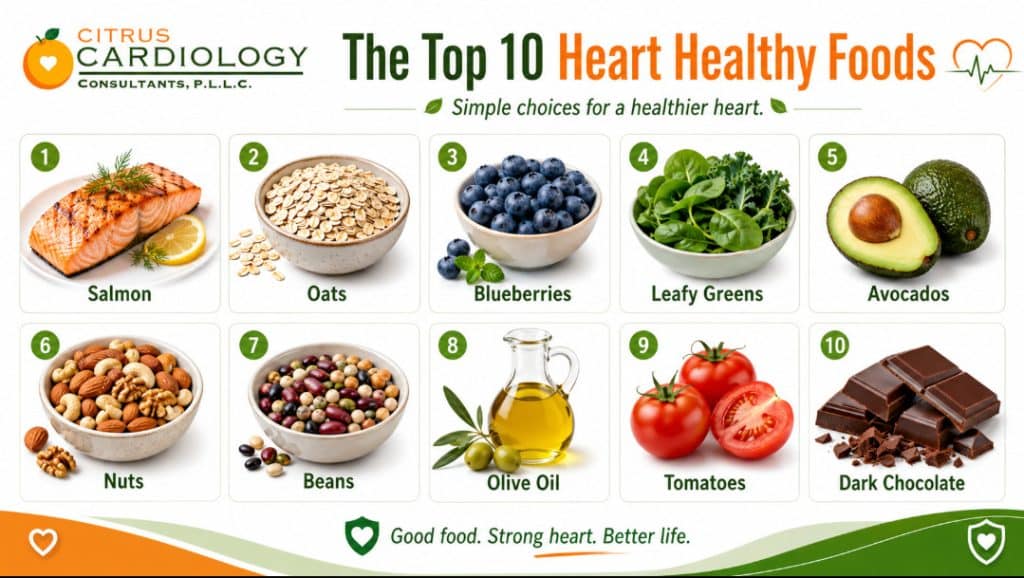
Identification of specific heart-healthy foods is essential for practical dietary recommendations. The following ten foods consistently demonstrate cardiovascular benefits supported by clinical evidence and nutritional analysis:
- Fatty Fish (Salmon, Mackerel, Sardines): Rich in EPA and DHA omega-3 fatty acids that reduce triglycerides and inflammation.
- Leafy Green Vegetables (Spinach, Kale): High in nitrates, potassium, and antioxidants that improve arterial function and lower blood pressure.
- Whole Grains (Oats, Quinoa, Barley): Provide soluble fiber that decreases LDL cholesterol and supports glycemic control.
- Nuts (Almonds, Walnuts): Contain unsaturated fats, fiber, and phytosterols that improve lipid profiles and reduce oxidative stress.
- Berries (Blueberries, Strawberries): Abundant in flavonoids and antioxidants that enhance endothelial function and reduce inflammation.
- Legumes (Lentils, Chickpeas): Offer plant-based protein and fiber that lower cholesterol and improve satiety.
- Avocados: Provide monounsaturated fats and potassium, contributing to blood pressure regulation and lipid improvement.
- Dark Chocolate (70% Cocoa and above): Contains polyphenols that improve vascular function and reduce platelet aggregation.
- Tomatoes: High in lycopene, an antioxidant correlated with reduced risk of coronary heart disease.
- Olive Oil: A staple in cardiac diet plans, rich in monounsaturated fats and antioxidants that protect against oxidative damage.
| Food | Primary Heart Health Benefit | Key Nutrients | Recommended Serving |
|---|---|---|---|
| Fatty Fish | Reduces triglycerides and inflammation | Omega-3 fatty acids (EPA, DHA) | 2 servings/week (3.5 oz each) |
| Leafy Greens | Lowers blood pressure, enhances arterial function | Potassium, nitrates, antioxidants | 1-2 cups daily |
| Whole Grains | Reduces LDL cholesterol, stabilizes blood sugar | Soluble fiber, B vitamins | 3-6 servings/day |
| Nuts | Improves lipid profile, antioxidant effects | Unsaturated fats, fiber, phytosterols | 1 oz daily |
| Berries | Enhances endothelial function, anti-inflammatory | Flavonoids, vitamin C | ½ cup daily |
Incorporating Heart-Healthy Choices Into Your Daily Diet
Integrating heart-healthy foods into daily meals requires strategic planning and awareness of nutritional balance. A practical approach involves substituting saturated fats with unsaturated fats, such as replacing butter with olive oil or choosing nuts as snacks instead of processed foods. Incorporating at least five servings of fruits and vegetables daily ensures a consistent intake of antioxidants and fiber essential for cardiac health benefits.
Meal structuring that emphasizes whole grains over refined carbohydrates supports lipid management and glycemic stability. For example, choosing oatmeal or quinoa as breakfast staples provides sustained energy release and reduces postprandial glucose spikes. Including legumes in lunch or dinner not only supplies plant-based protein but also enhances satiety and reduces total caloric intake.
To ensure adequate omega-3 fatty acid consumption, incorporating fatty fish twice weekly aligns with recommendations from cardiovascular health authorities. For individuals following vegetarian or vegan diets, alternative omega-3 sources such as flaxseeds, chia seeds, and walnuts can partially fulfill this requirement, though direct EPA and DHA from fish remain optimal.
Mindful portion control and meal timing further augment heart-friendly nutrition by preventing overeating and metabolic disturbances. Utilizing smaller plates, mindful eating practices, and regular meal intervals can collectively improve cardiovascular outcomes through weight management and reduced insulin resistance.
Creating a Balanced Cardiac Diet Plan
A balanced cardiac diet plan emphasizes nutrient density, variety, and moderation to achieve optimal heart health benefits. It involves calculated macronutrient distributions, typically recommending 25-35% of calories from healthy fats, 45-55% from complex carbohydrates, and 15-20% from lean protein sources. This balance mitigates risk factors such as dyslipidemia and insulin resistance.
When designing a cardiac diet plan, it is essential to incorporate a spectrum of food groups to ensure comprehensive micronutrient coverage. For instance, combining leafy greens, berries, and nuts delivers antioxidants and minerals that support endothelial integrity and reduce oxidative damage. Whole grains and legumes contribute to fiber intake critical for cholesterol reduction.
Specific dietary patterns such as the DASH (Dietary Approaches to Stop Hypertension) diet and the Mediterranean diet exemplify balanced cardiac diet plans with proven efficacy. The DASH diet focuses on reducing sodium intake and increasing potassium, magnesium, and calcium through fruits, vegetables, and low-fat dairy, effectively lowering blood pressure. The Mediterranean diet emphasizes olive oil, fish, and plant-based foods, correlating with reduced cardiovascular events.
Monitoring sodium intake is a critical component of cardiac diet plans. Excessive sodium contributes to hypertension, a major cardiovascular risk factor. Processed foods and restaurant meals often contain high sodium levels; thus, prioritizing whole, unprocessed foods helps maintain sodium within recommended limits (less than 2,300 mg/day).
| Dietary Pattern | Focus | Macronutrient Distribution | Heart Health Outcomes |
|---|---|---|---|
| Mediterranean Diet | Monounsaturated fats, plant-based foods, fish | 35-40% fat, 40-50% carbs, 15-20% protein | Reduced cardiovascular mortality, improved lipid profile |
| DASH Diet | Low sodium, high potassium, magnesium, calcium | 27% fat, 55% carbs, 18% protein | Lowered blood pressure, decreased stroke risk |
| Plant-Based Diet | Excludes or minimizes animal products, high fiber | 10-20% fat, 60-70% carbs, 15-20% protein | Lower LDL cholesterol, reduced inflammation |
Tips for Shopping and Meal Prepping Heart-Healthy Ingredients
Effective shopping and meal preparation practices are instrumental in maintaining adherence to a heart-healthy diet. Prioritizing fresh, unprocessed foods over packaged items reduces intake of sodium, added sugars, and unhealthy fats. When selecting produce, seasonal and local fruits and vegetables often offer superior nutrient density and flavor.
Reading nutrition labels critically is essential to identify hidden saturated fats and trans fats, which negatively impact heart health. Opting for products labeled “no trans fats” and “low sodium” supports cardiac diet plans. Whole grain certifications such as “100% whole wheat” or “whole oats” ensure the presence of beneficial fiber components.
Batch cooking heart-friendly meals, such as vegetable stews or quinoa salads, allows for convenient access to nutritious options during busy periods, reducing reliance on fast food or processed snacks. Freezing individual portions preserves freshness and nutritional quality, facilitating portion control and meal variety.
Incorporating herbs and spices such as turmeric, garlic, and rosemary in meal preparation can enhance flavor without adding sodium, aligning with dietary recommendations for hypertension management. Utilizing kitchen tools like steamers and slow cookers helps retain nutrients and reduce the need for added fats.
Cooking Techniques to Retain Nutritional Value in Heart-Healthy Foods
The method of food preparation significantly influences the retention of nutrients critical for heart health benefits. Techniques that minimize nutrient loss and avoid unhealthy fat addition are preferable. Steaming, boiling, and baking preserve water-soluble vitamins such as vitamin C and B vitamins while maintaining antioxidant capacity.
Grilling and roasting can enhance flavor but require caution to prevent charring, which produces harmful compounds like polycyclic aromatic hydrocarbons associated with increased cardiovascular risk. Using moderate temperatures and avoiding direct flame contact mitigates this risk. Additionally, marinating foods in antioxidant-rich ingredients like lemon juice or herbs reduces the formation of these compounds.
Sautéing with heart-healthy oils such as extra virgin olive oil or avocado oil provides beneficial monounsaturated fats and preserves bioactive compounds. Avoiding deep-frying and excessive use of butter or margarine prevents the introduction of trans fats and saturated fats detrimental to cardiac health.
Cooking vegetables lightly or consuming them raw maximizes the availability of phytochemicals and enzymes that support heart-friendly nutrition. For example, lightly steamed broccoli retains more sulforaphane, a compound linked to anti-inflammatory effects, compared to overcooked preparations.
Enjoying Delicious Recipes That Promote Heart Wellness
Heart-healthy recipes can be both flavorful and nutritionally optimized, encouraging consistent adherence to cardiac diet plans. Mediterranean-inspired dishes such as grilled salmon with quinoa tabbouleh combine multiple heart-healthy foods, including omega-3s, whole grains, and fresh vegetables.
Breakfast options like overnight oats topped with berries and walnuts integrate soluble fiber, antioxidants, and healthy fats for sustained energy and vascular protection. Legume-based soups and stews offer plant protein and fiber, contributing to cholesterol management and satiety.
Snack ideas such as hummus with carrot sticks or a small portion of dark chocolate satisfy cravings while providing cardiovascular benefits. Incorporating herbs and spices such as garlic, turmeric, and cinnamon enhances taste profiles and delivers additional anti-inflammatory compounds.
Recipe development focusing on minimal added sodium and sugar, combined with natural flavor enhancers, promotes heart-friendly nutrition without sacrificing enjoyment. Access to resources like American Heart Association’s heart-healthy recipes supports individuals in culinary experimentation aligned with cardiac health goals.
Conclusion
Optimal cardiovascular health can be significantly influenced by incorporating heart-healthy foods that provide essential nutrients, reduce risk factors, and promote vascular integrity. Understanding the role of nutrition enables the formulation of balanced cardiac diet plans that emphasize variety and moderation. Practical strategies for shopping, meal preparation, and cooking further enhance adherence to heart-friendly nutrition. By embracing scientifically supported dietary patterns and culinary practices, individuals can naturally improve heart health and reduce the burden of cardiovascular disease.
Frequently Asked Questions
How much oily fish should one consume weekly for heart health benefits?
Consuming two servings of oily fish per week, each approximately 3.5 ounces, provides adequate omega-3 fatty acids to reduce triglycerides and inflammation, contributing to improved heart health.
Are plant-based omega-3 sources as effective as fish-based sources?
Plant-based omega-3s like alpha-linolenic acid (ALA) found in flaxseeds and walnuts offer some cardiovascular benefits; however, the body converts ALA inefficiently into EPA and DHA, which are more potent and primarily found in fish.
Can a heart-healthy diet help reverse existing heart disease?
While a heart-healthy diet cannot completely reverse established heart disease, it can improve cardiac function, reduce symptoms, and lower the risk of further complications when combined with medical treatment.
Is salt completely prohibited in a heart-healthy diet?
Salt is not entirely prohibited but should be limited to less than 2,300 milligrams per day. Reducing sodium intake helps manage blood pressure, a critical factor in cardiovascular risk.
What role does fiber play in heart health?
Dietary fiber, especially soluble fiber, reduces cholesterol absorption and improves lipid profiles, thereby decreasing the risk of atherosclerosis and related cardiovascular diseases.
How does alcohol consumption affect heart health?
Moderate alcohol consumption, such as one drink per day for women and two for men, may provide some heart benefits, but excessive intake increases hypertension and cardiomyopathy risks, negating potential advantages.
For further reading on heart-healthy nutrition, consult resources such as the National Heart, Lung, and Blood Institute and the Centers for Disease Control and Prevention on heart disease prevention.
📅 Last updated: